2026 home design trends reflect a clear shift away from cool gray palettes and highly styled interiors that made many homes feel more like showrooms than places people would actually live.
What buyers are responding to now is different. The current direction leans warm, intentional, and livable. It feels refined without feeling staged and styled without feeling excessive. This is not a move away from presentation. It is a move toward presentation that feels comfortable, functional, and real.
This shift is showing up in buyer feedback, listing descriptions, and design reports. If you are preparing to sell, it directly affects how your home will be perceived.
What’s In
Warm, Cohesive Color
Neutral is still dominant, but the tone has changed. Cool gray and stark white are being replaced with warmer palettes. Soft beiges, terra cotta, sage green, muted navy, and caramel tones are showing up consistently.
There has also been a measurable increase in “color drenching,” where walls, trim, and ceilings are finished in a single tone.
Buyers are prioritizing how a home feels. Warmer, cohesive color reads as more inviting both online and in person.
Seller implication: A targeted paint update remains one of the simplest ways to improve how a home shows and photographs.
Character Details and Art Deco Influence
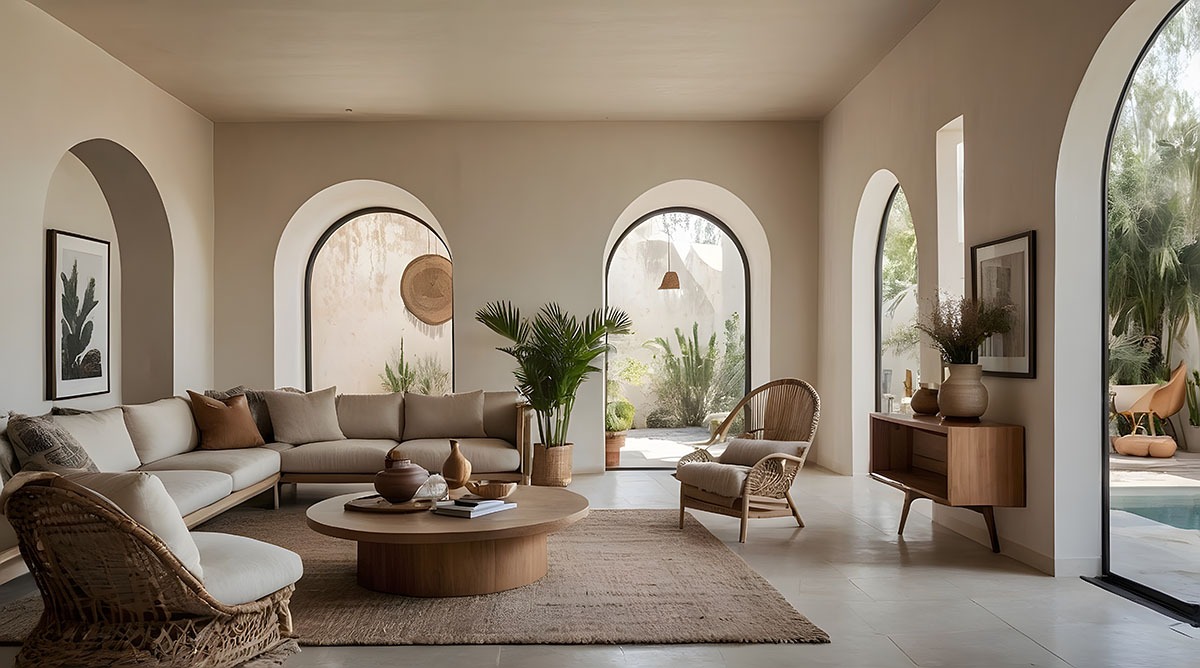
Buyers are responding to details that add character without overwhelming the space.
- Curves and arches
- Chevron patterns
- Brass accents
- Jewel tones
- Rounded and scalloped forms
Listing descriptions are also showing increased mentions of artisan finishes and vintage-inspired details.
Seller implication: A few intentional upgrades can create impact. This is about adding character, not redoing everything.
Surfaces and Materials That Stand Out
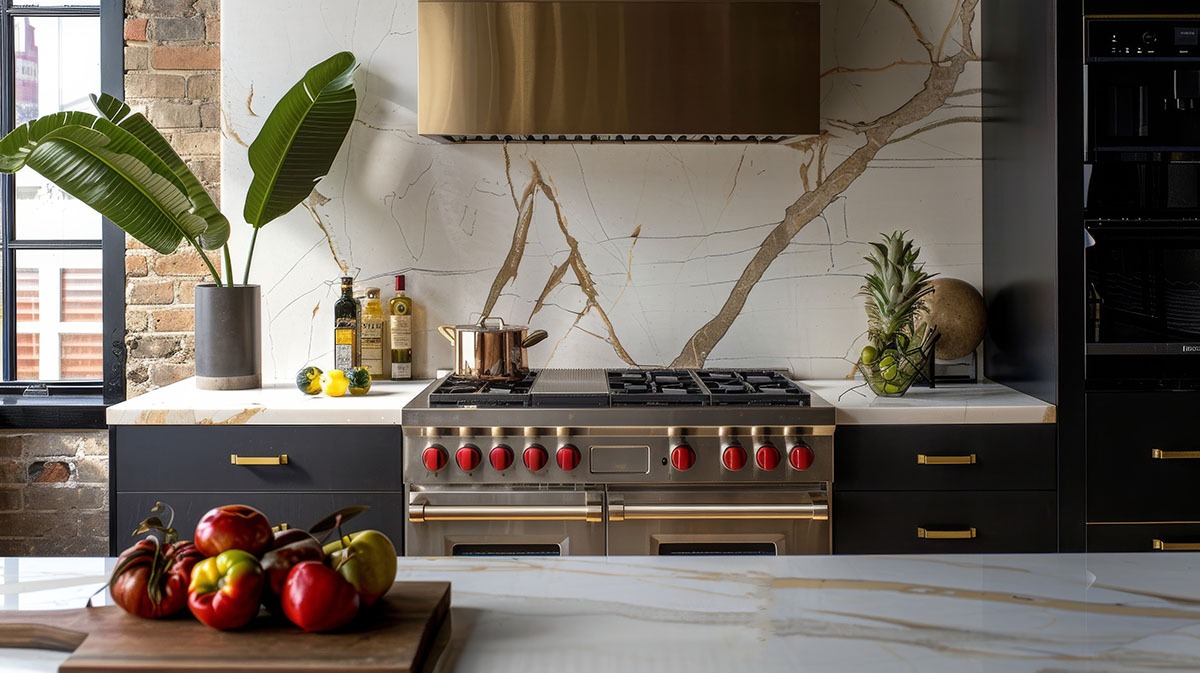
Natural stone is being used as a focal point rather than a background element. Quartzite, marble, and travertine with visible movement are showing up in kitchens and baths.
Full-height backsplashes and continuous stone surfaces are becoming more common.
Organic texture is also a major component:
- Limewash and plaster finishes
- Textured walls
- Materials that shift with natural light
Mixed metals continue to evolve. The preference is for intentional combinations rather than matching everything exactly.
Seller implication: Buyers are responding to contrast and texture. Flat, uniform finishes tend to feel dated.
Kitchens That Feel Personal
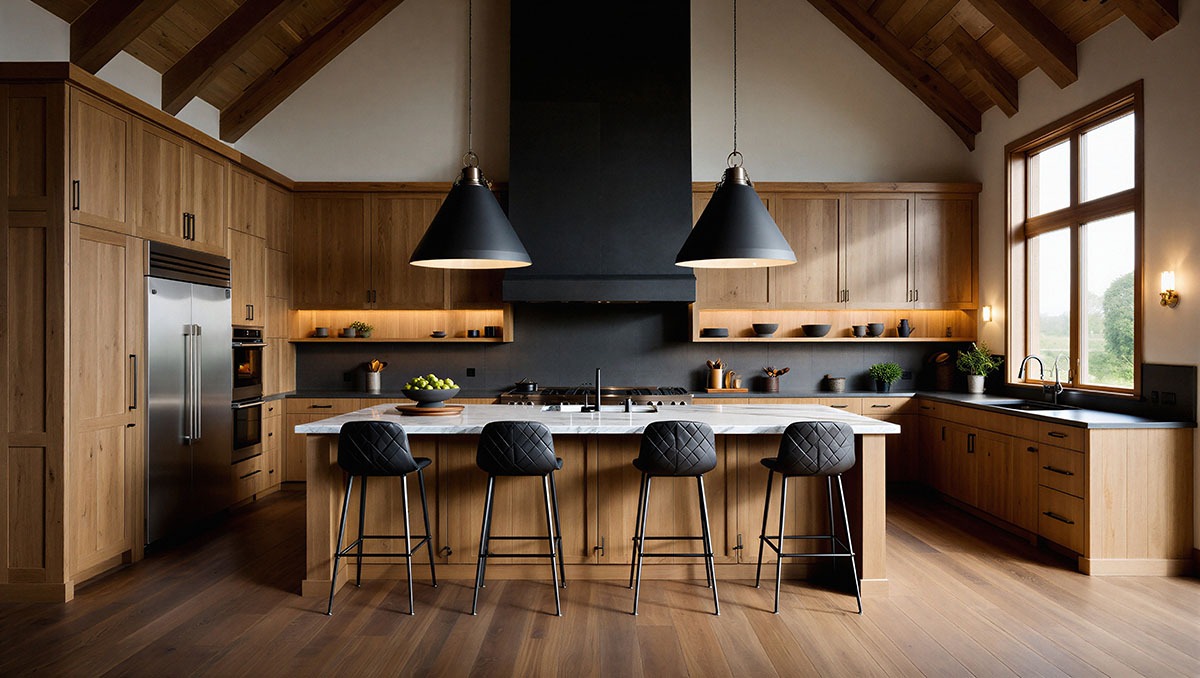
The all-white kitchen is declining, according to kitchen design trend data. Data from design professionals also points to a shift toward warm neutrals, wood tones, and more individualized choices.
What is replacing it is not one specific style. It is personalization.
- Work-in pantries and secondary prep areas
- Mixed cabinet finishes
- Full-height stone backsplashes
- Improved storage and functionality
Insufficient storage is now one of the most common buyer complaints.
Seller implication: The kitchen should feel functional and considered. It does not need to follow a single trend, but it does need to work.
Defined Open Spaces
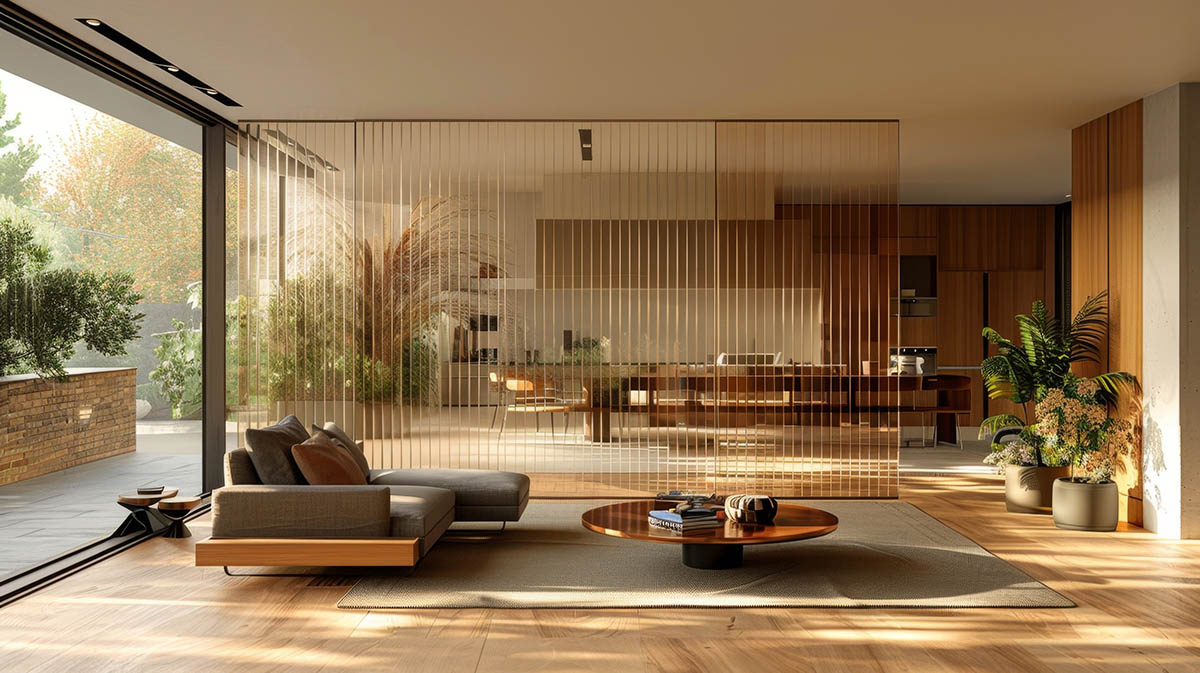
Open floor plans remain common, but buyer expectations for open floor plans have changed.
The shift is toward defined space within an open layout:
- Dining areas that feel separate
- Living spaces with clear purpose
- Subtle architectural separation
This reflects a broader move toward flexible layouts that balance connection with separation.
Remote work is a key driver. Buyers want flexibility along with privacy.
Seller implication: Each area should be staged with a clear function. Buyers are evaluating how the space will be used.
Wellness-Oriented Design
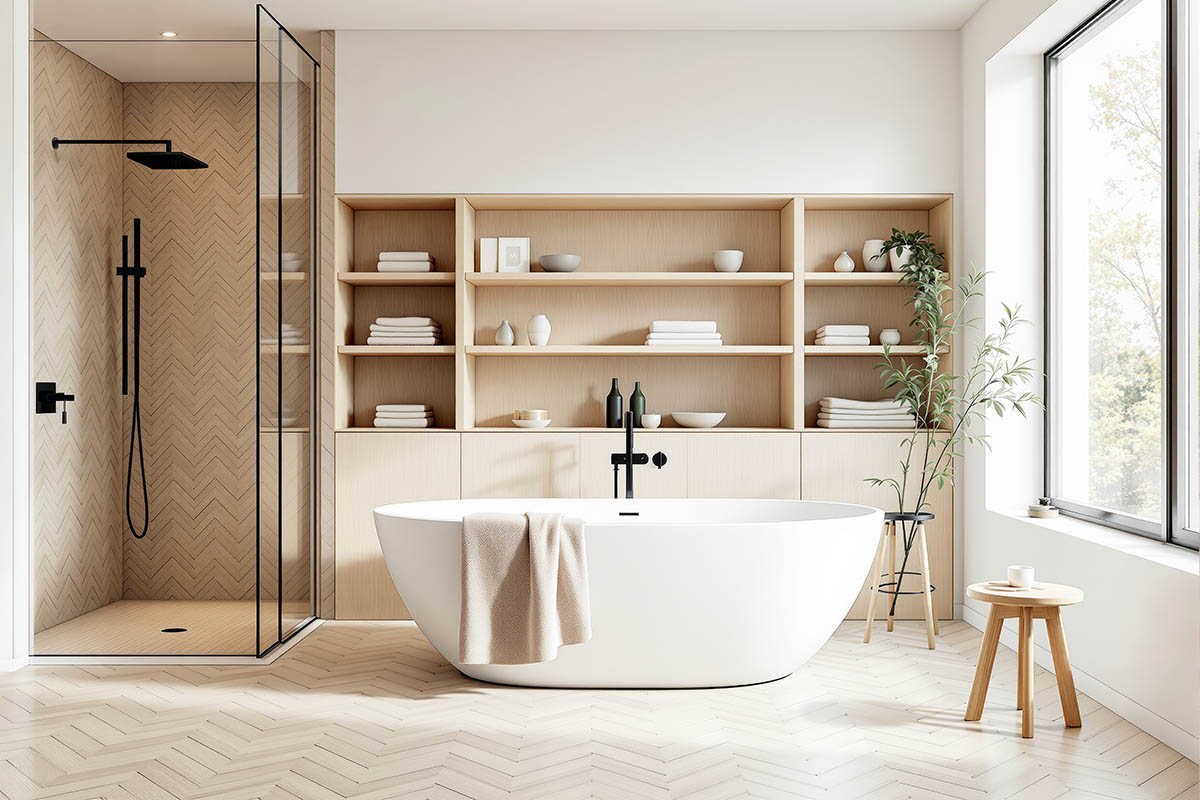
Buyers are placing more weight on how a home supports daily living.
- Natural light
- Organic materials
- Indoor-outdoor connection
- Quiet, usable spaces
Spa-style bathrooms are appearing more frequently in listing descriptions.
Additional supporting trends include increased demand for natural light, seamless surfaces, and biophilic design.
Seller implication: These features often come down to layout, light, and material choices rather than major expense.
Efficiency and Resilience
Practical features are becoming more important in buyer decision-making.
- Energy efficiency
- Solar readiness
- EV charging
- Battery storage
- Climate-conscious landscaping
Buyers are factoring in operating costs, insurability, and long-term durability.
Seller implication: If your home includes these features, they should be clearly documented in your listing.
What’s Out
- All-gray or overly sterile interiors
- Overly themed farmhouse design
- Single-use specialty rooms
- Two-story foyers with poor efficiency
- Fully matched finishes
- Open shelving as a default kitchen feature
- Low-contrast, flat surfaces
- Highly personalized spaces when selling
The pattern is consistent. Buyers prefer flexibility, balance, and spaces they can adapt.
What Matters Before You List
Targeted improvements can shift how a home is perceived. For a more complete strategy, see my guide on preparing your home for sale by aligning with today’s buyer priorities.
Not every update requires a renovation.
- Updated paint in a warm tone
- Modern lighting
- Hardware changes
- Select texture or material upgrades
Most buyers form an impression before they step inside. Photography and online presentation drive showing activity and influence offer strength.
The goal is to present a home that feels current, functional, and easy to live in.
If you want a property-specific assessment of which updates are worth making based on your price point and neighborhood, that analysis needs to be tailored to your home.