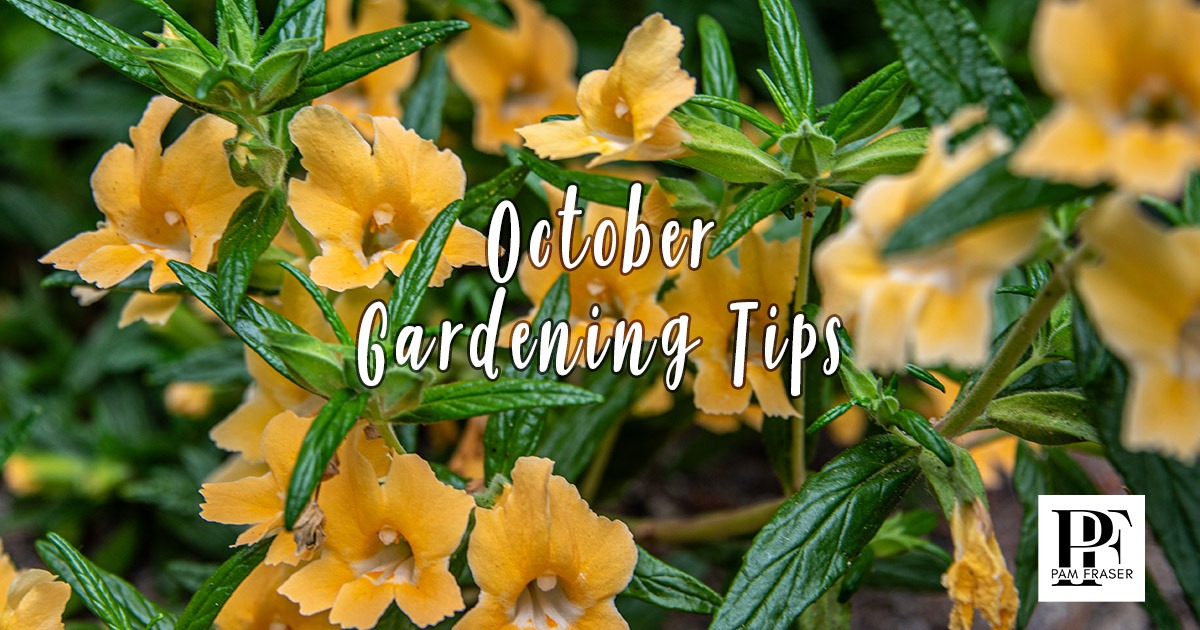
It’s planting time in San Diego gardens, but since October is starting out hot, wait for cooler weather before you begin. While you’re planting, you can also divide perennials that are no longer performing well. And with predictions for a very strong El Niño this fall and winter, this is also a good month to get your yard ready for heavy rains.
Plant Now for a Better Start
October begins one of the best planting seasons in San Diego for perennials, California native plants and trees, cool-season annuals and vegetables, and many bulbs. But if it’s still hot early in the month, as this year looks to be, hold off on natives and ground covers until temperatures cool later in October or November.
Warm fall soil, cooler air temperatures and winter rains give roots time to become established before next summer’s heat. You may not see much top growth until spring, but the plants will be developing roots underground and be ready for growth by then.
When planting California natives, pay attention to drainage, especially with heavy rains predicted this year, and choose plants suited to the conditions in your garden. Calscape and the UC Master Gardener Program both have useful information on selecting and growing California native plants.
While fall is an excellent time for natives and many other plants, wait until warmer weather to plant tropical and subtropical plants such as plumeria, citrus, passion vine and bird of paradise.
Prepare for El Niño
The California Coastal Commission has published a property-preparedness checklist for El Niño, with its potential for heavy winter rains. Several of its recommendations apply directly to our yards and gardens.
- Clean up your yard: Remove dead limbs and debris, and secure outdoor furniture and other objects that could be blown around during a storm.
- Clear drains and gutters: Make sure gutters, drains and drainage systems are free of debris and direct runoff where it can drain safely rather than saturating soil around structures or slopes.
- Inspect retaining walls and slopes: Check drains, culverts and ditches for obstructions. Look for erosion, cracks, slumping or movement in slopes, patios and retaining walls. Significant problems may require evaluation by a geologist or geotechnical engineer.
- Protect bare soil: Mulch exposed areas where appropriate and stabilize loose soil that could erode during heavy rain.
- Check nearby storm drains: Make sure they are clear before the rainy season and after storms. Report obstructions to the agency responsible for maintaining the drain if you cannot safely clear them yourself.
Divide and Multiply
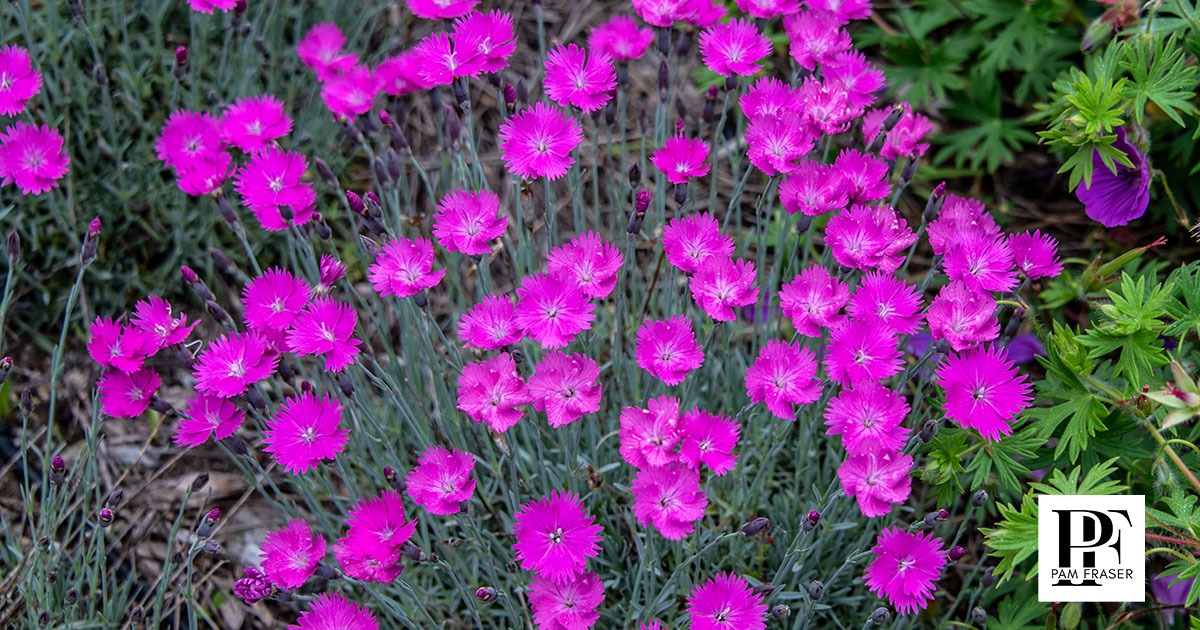
This is a good time to dig up and divide fast-growing perennials and plants that are no longer performing at their best. Candidates include iris, Shasta daisies, alstroemeria, clivia, fortnight lily, yarrow, verbena, African daisy, gazania, ivy geranium and dianthus. Later in October or into November, you can also divide daylilies and agapanthus.
Dig up the plant with a sharp shovel or knife. Use the same tool to separate the clump or cut between rhizomes at the joints, keeping healthy roots with each division. Replant the divisions promptly and water them thoroughly. It’s best to dig and divide when the weather is cool.
San Diego Gardens Source
A lot of information for San Diego Gardens comes from the Master Gardener Association of San Diego County. They are a great resource for all of your gardening needs including planting, pests, vegetables and water use. They even have a free hotline where you can get answers to your home gardening and pest control problems.