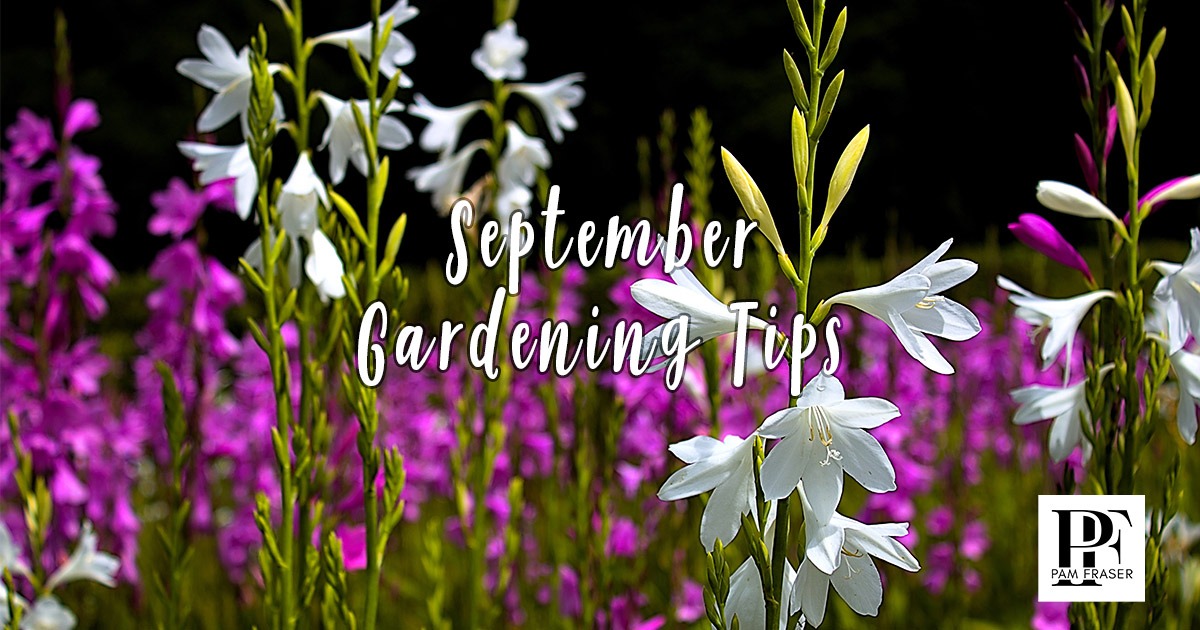
Fall, the best time for planting in San Diego gardens, begins this month. It’s time to get ready for planting. This month’s tips include choosing bulbs to plant this fall for years of color, reducing wildfire risk, and controlling mosquitoes.
Grow More Bulbs
Yes, tulips and daffodils will grow here, but why limit yourself to these traditional bulbs when there are many others that are ideal for our Mediterranean climate? Here are some selections from Jim Threadgill of Easy to Grow Bulbs in Oceanside.
Lower-Growing Bulbs
- Saffron Crocus (Crocus sativus) – Plant these fall-blooming crocus in October and they will bloom by Thanksgiving. Low-growing, the lilac flowers are the source of saffron used in cooking. Harvest and dry the orange-red stigmas for use in paella and other dishes.
- ‘Golden Dawn’ narcissus – This tazetta hybrid is among a group of narcissuses that are ideal for mild winter climates. Yellow with a dark gold cup, multiple flowers top each stem. The scent is sweet and not as powerful as the familiar ‘Paper White’ tazetta. The bulbs are resistant to deer, gophers and rats.
- Freesia – Another South African native, freesias are prized for their fragrance and rainbow of colors. Flower stems grow 18 inches tall, making these plants ideal for edging borders. Look for new shades of blue and bicolor combinations. Naturalizes.
- Spanish Bluebell (Hyacinthoides hispanica) – Some consider these natives of Spain hyacinth substitutes for their blue flowers on sturdy stems up to 20 inches tall. Unlike hyacinths, the bell-shaped blossoms are not scented. ‘Excelsior’ is a popular dark blue hue.
Tall Bulbs
- Watsonia – These South African natives are becoming known as the gladiolus of Southern California. Flower spikes 3 to 4 feet tall rise above sword-like foliage. Fragrant blossoms range from pure white and cherry red to pastels and bicolor. Will naturalize.
- Eremurus – Four- to five-foot-tall flower spikes give this Asian native its common name of foxtail lily or desert candle. ‘Cleopatra’ has orange sherbet flowers, while the Shelford hybrids are a mix of pastels. Handle brittle roots carefully when planting.
- Giant White Squill (Urginea maritima) – This Mediterranean monster of a bulb – each can weigh 6 to 8 pounds – performs like the familiar naked lady (Amaryllis belladonna). Foliage appears first, lasting November to April, and then dies back, making way for towering flower spikes reaching up to 6 feet in September. Each is covered with thousands of small white flowers that open from top to bottom for a month. Avoid excess summer water.
- Trumpet Lilies – Stems can top 6 feet tall when these bulbs, also known as Aurelian hybrids, burst into bloom in late spring. Plant them where you can enjoy their rich perfume. Trumpet blooms with bold stamens are golden apricot on ‘African Queen’, lemon-yellow on ‘Golden Splendor’ and rose on ‘Pink Perfection’.
Threadgill recommends planting bulbs in October as the soil cools. If you purchase them in advance, store them in a mesh or paper (not plastic) bag in a cool, dry location. With proper care, these bulbs will return and multiply year after year.
Reduce Wildfire Risk
Reduce wildfire risk around your home by cutting and removing dead leaves and limbs from trees and shrubs, especially if they grow near your home. It’s best to remove branches growing within six feet of the ground, any that overhang the roof or eaves, and woody vegetation that is growing up against structures. Cal Fire recommends removing all branches within 10 feet of any chimney or stovepipe outlet and clearing leaves from gutters.
Store cut wood far away from your home or any structures. Water trees deeply. This adds to their fire resistance.
For tree trimming, it is always best to use a certified arborist. To find a certified arborist in your area, see the websites of the Professional Tree Care Association of San Diego County, and the International Society of Arboriculture.
Control Mosquitoes
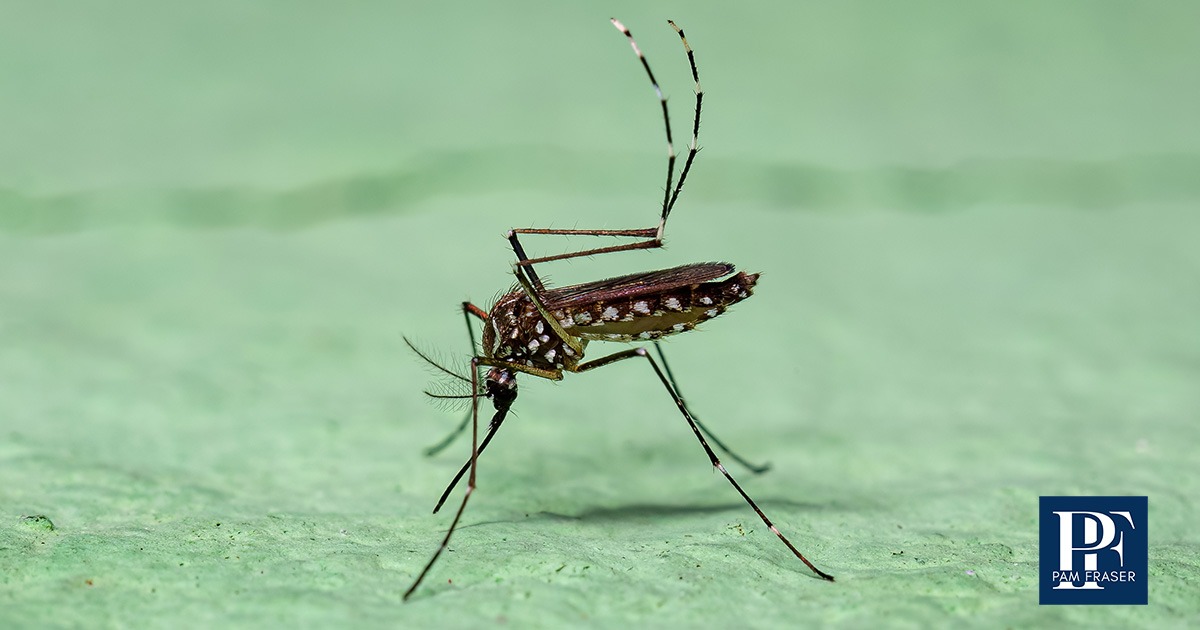
We’ve always had mosquitoes here, but with the arrival of invasive Aedes mosquitoes, they have become a bigger problem. Although you probably can’t eliminate them completely, you can help prevent them from breeding and protect yourself against bites.
Reduce mosquito breeding by removing standing water:
- Empty water from unused pots and plant saucers, and store containers upside down or inside.
- Change the water in birdbaths, pet dishes and watering troughs weekly.
- Don’t overwater, which can lead to standing water.
- Clean gutters and downspouts.
- Seal rain barrels and keep filters clean.
- Add mosquitofish to ponds.
- Use mosquito dunks or granules containing Bacillus thuringiensis (Bt) in drains, ponds, bromeliads or anywhere there is standing water that cannot be emptied. Follow label directions.
- Maintain pool water quality and keep standing water off swimming pool covers. Mosquitoes can breed in as little as 1/4 inch of water.
- Invite birds, bats, dragonflies, damselflies and spiders into your yard. They eat mosquitoes and mosquito larvae.
To help prevent mosquito bites:
- Keep screen doors closed and repair holes and openings in screens.
- Protect yourself whenever you are outdoors. Aedes mosquitoes, unlike many other mosquitoes, don’t just bite at dawn and dusk. They bite throughout the day.
- Wear long-sleeved shirts, long pants, socks and a hat when outdoors.
- Use mosquito repellent. I have found a repellant containing oil of lemon eucalyptus protects me for several hours. My husband says I smell like a tree, but it keeps the mosquitoes away.
San Diego Gardens Source
A lot of information for San Diego Gardens comes from the Master Gardener Association of San Diego County. They are a great resource for all of your gardening needs including planting, pests, vegetables and water use. They even have a free hotline where you can get answers to your home gardening and pest control problems.