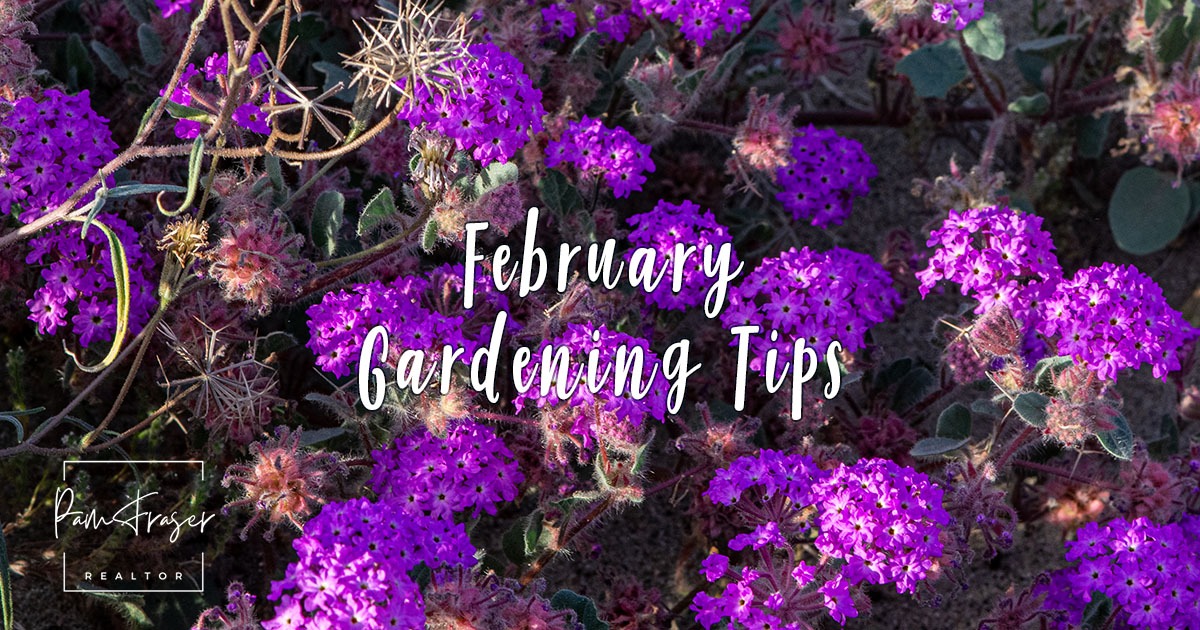
Get trees and shrubs ready for spring this month in San Diego gardens. Finish pruning and dormant spraying, watch for early wildflower blooms, and start fertilizing citrus as new growth approaches.
Wildflowers
Early rains have increased the likelihood of a strong wildflower season this year, especially in Anza-Borrego Desert State Park, where blooms often begin appearing by mid-February. If you are hoping to time a visit, there are several reliable ways to track what is blooming and where. The park maintains a regularly updated Wildflower Update page and an interactive Wildflower Map. You can also follow Anza-Borrego on Facebook and Instagram for current photos and reports, or call the wildflower hotline at 760-767-4684 for recorded updates.
Another excellent resource is the Theodore Payne Foundation, which focuses on California native plants. Their Wildflower Hotline page is updated every Friday from March through May and provides detailed bloom reports from across Southern California. Updates are also available by phone at 818-768-1802, ext 7.
Closer to home, The Flower Fields open for the season on March 1. Nearly 50 acres of Giant Tecolote ranunculus come into bloom, creating one of the most dramatic spring displays in the region.
Spray and Prune Dormant Plants and Trees
In the first half of February, finish pruning roses, stone-fruit trees, shrubs, vines, grapes and deciduous trees before spring growth appears.
The San Diego Rose Society offers a very helpful Pruning Overview that walks through proper timing and technique for roses.
When pruning trees, always check guidance for the specific type of tree you are working on so you do not remove next year’s fruiting wood. After pruning, apply horticultural oil to smother overwintering insects and eggs.
Peaches and nectarines require extra attention this month. Prevent peach leaf curl by spraying trees with copper fungicide combined with horticultural oil while they are fully dormant. For detailed timing and application guidance, see UC Pest Note 7426 from University of California Integrated Pest Management.
Feed Citrus
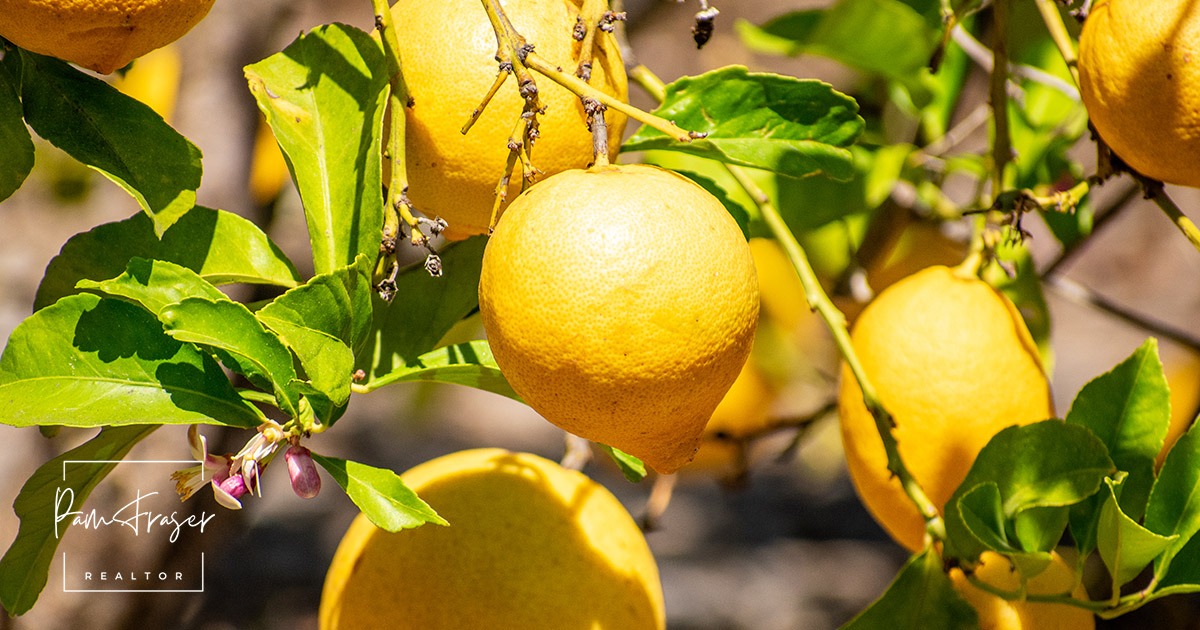
To produce a bounty of fruit, citrus trees need regular fertilizing starting this month. Choose a fertilizer high in nitrogen as citrus does not require large amounts of potassium and phosphorus. An organic fertilizer made specifically for citrus is ideal. Always follow package directions for application rates and timing.
Ammonium sulfate is another effective option and can be applied every four to six weeks through spring and summer. Spread fertilizer evenly in the watering basin, keeping it well away from the trunk and extending it beyond the tree’s canopy. Water thoroughly after application to move nutrients into the root zone.
The Master Gardener Association of San Diego has a citrus guide with fertilizing instructions along with tree varieties, planting and care information.
If your trees’ new leaves have a yellow cast but the veins are still green, they may be deficient in zinc or iron. Spray the leaves with chelated zinc or iron to correct this. Overwatering also can cause these symptoms, so check your irrigation.
San Diego Gardens Tips Source
A lot of information for San Diego Gardens comes from the Master Gardener Association of San Diego County. They are a great resource for all of your gardening needs including planting, pests, vegetables, and water use. They even have a free hotline where you can get your home gardening and pest control problems answered.