It’s time to get ready for summer in San Diego gardens. To protect your plants from summer’s heat, make sure your irrigation is working properly and add several inches of mulch to your garden beds.
Be Part of National Pollinator Week June 16-22
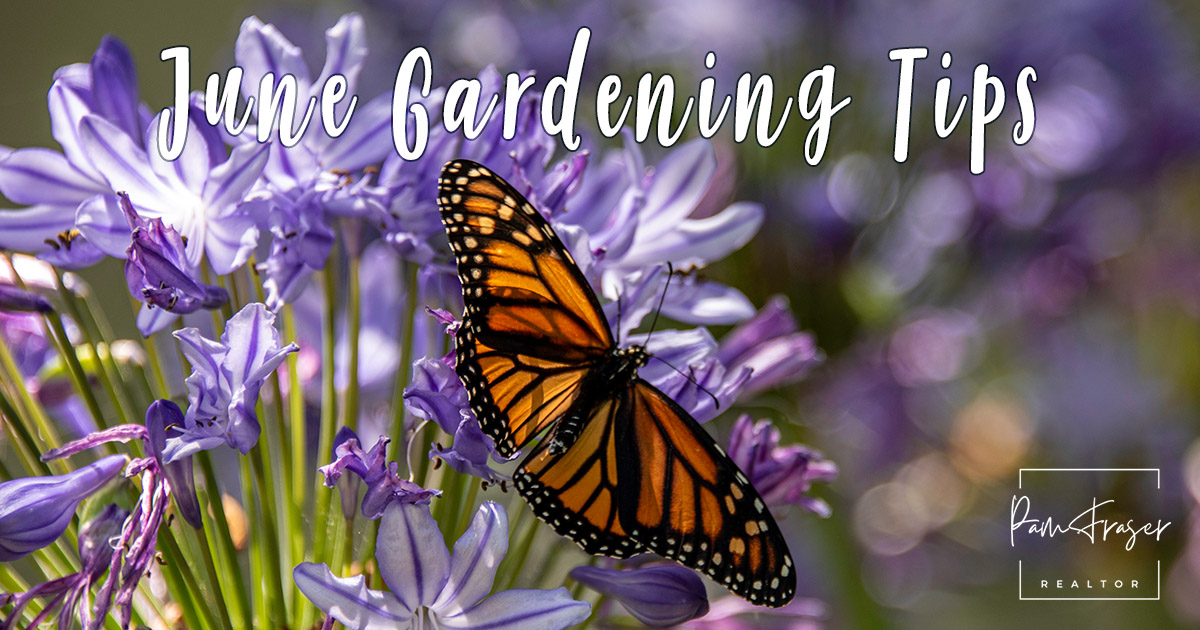
Pollinator week is an annual event supporting pollinator health. There are several things you can do in your San Diego garden to help pollinators. Plant pollinator friendly natives and other non-invasive plants in clusters. Reduce or eliminate pesticides. Create a bee friendly garden. Support your local beekeepers and spread the word about pollinators.
But, it’s not just honey bees that pollinate plants. Native bees, hummingbirds, butterflies, beetles, moths, and even flies are all pollinators.
For more information on how to help pollinators in your yard, go to www.pollinator.org. If you want to learn more and help document local pollinators, join the event at Torrey Pines State Nature Reserve on June 21 from 8:30 to 10:30am. To get more details, go to www.pollinator.org/pollinator-week, and click on the map at the San Diego location.
Add a Vegetable Garden
Soil, sun, size and layout—these are prime considerations when creating a vegetable garden. Since San Diego soils usually have little organic matter in them, add topsoil, compost, worm castings, and organic fertilizer to improve the existing soil in your vegetable garden.
Vegetable gardens need consistent irrigation. Drip lines laid out in a grid work best. Soaker hoses are also a good option. Sprinklers not only waste water, they can also add to the risk of foliar diseases and not deliver the water where it’s needed.
You don’t necessarily need a large amount of space to grow a vegetable garden, but whatever type of garden you add, most vegetables need six to eight hours of direct sun per day. Keep this in mind when planning your garden layout.
First, layout your garden on paper and measure your outdoor space. If you have a large footprint available, you may want rows or a raised bed garden. If space is limited, you still have many options with container gardens, square-foot gardens, tiered gardens, vertical-wall gardens and more. Look up “small vegetable gardens” online, and you’ll find many clever solutions.
For row gardens on level ground, lay out the garden with rows running north to south so plants will get the most sun. If your garden area is on a slope, layout your rows along the contour of the hill. Put your tall plants, like corn, at the north end of the garden so they don’t shade shorter plants. If you are planting any perennials, like artichoke, berries, or asparagus, put them in their own section. That way when you are removing or adding annual vegetables and preparing soil, your perennials won’t be damaged.
In San Diego County, we can grow vegetables year-round due to our mild climate. Right now, we are growing warm season vegetables, but in fall we can start planting many cool season crops. For more information on what to grow and how to grow it, go to Joyce Gemmell’s Vegetable Planting Guide. Nan Sterman, a San Diego garden designer, speaker, garden consultant, TV show host and writer, also has a lot of helpful information about vegetable gardens on her website.
Deadhead Your San Diego Garden
Deadheading your roses now will help keep them blooming through October. You can cut them when they are in full bloom and enjoy their flowers in your home, or prune them once the flowers have stopped blooming.
To get new blooms, cut above a growth node at a five-leaflet leaf that points outward at a middle point on the cane. If you cut too high, the stems will be weak. Cut too low, and you could be waiting a long time for new blooms. Feed the plant lightly and water it deeply. Deadheading after each bloom cycle will keep your plant blooming throughout the season.
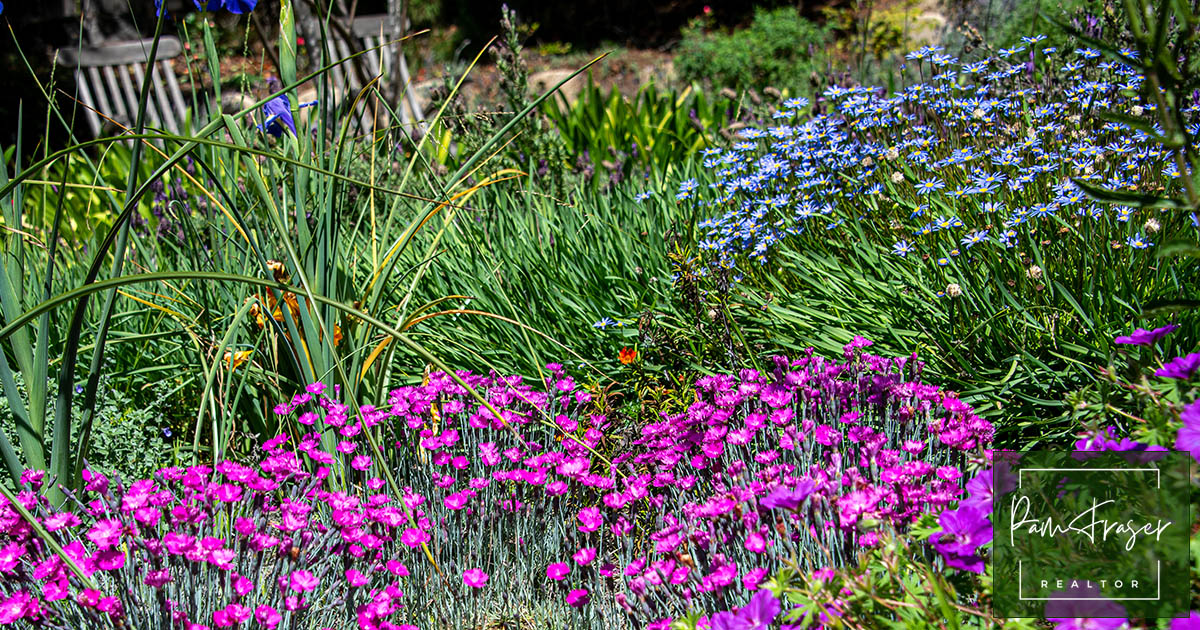
Remove spent blooms from other perennials and annuals to get them to rebloom too. Pinch or cut off faded flowers just above the first set of healthy leaves. This will encourage new growth and keep the plants from setting seed.
San Diego Gardens Tips Source
A lot of information for San Diego Gardens comes from the Master Gardener Association of San Diego County. They are a great resource for all of your gardening needs including planting, pests, vegetables, and water use. They even have a free hotline where you can get your home gardening and pest control problems answered.